
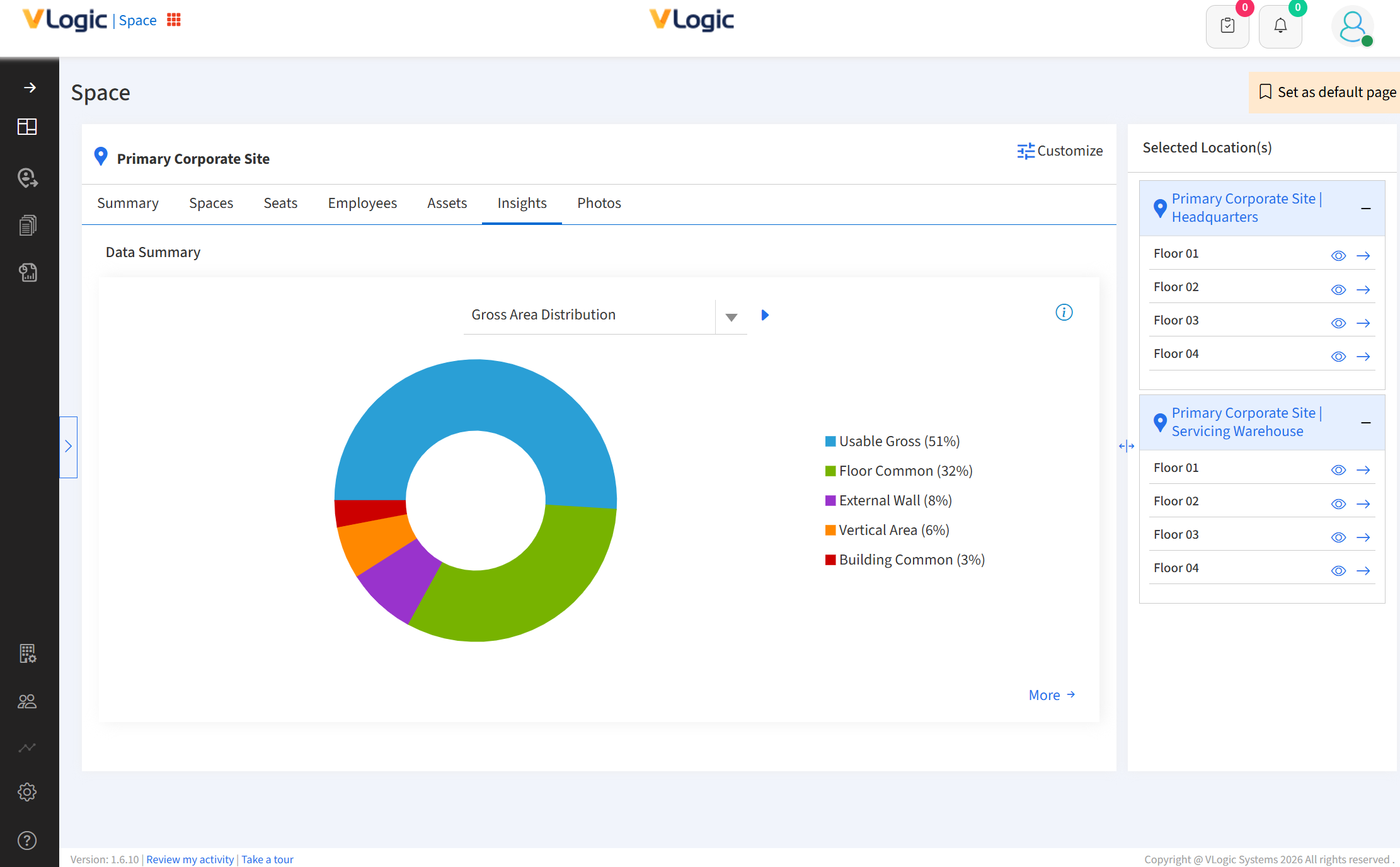
Space allocation automation is how facilities teams assign, track, and report on physical space across buildings without manual data entry or disconnected files. For enterprise facility leaders managing multiple locations, the right space management software turns fragmented allocation processes into a single source of truth for every square foot under your control.
The challenge is separating platforms that deliver unified reporting and floor plan accuracy from those that create more work. This article covers 8 things facility leaders should know before evaluating space allocation automation for multi-site operations.
Key Takeaways: Space Allocation Automation
- Space allocation automation replaces manual spreadsheet tracking with centralized, verifiable data across all your buildings.
- Unified reporting is the difference between quarterly guesses and accurate space utilization metrics leadership can trust.
- Floor plan accuracy matters because allocation decisions built on outdated drawings create downstream operational problems.
- VLogic Systems connects space data directly to field-verified drawings, keeping allocation records honest over time.
- Multi-site operations need platforms that standardize workflows, not tools that require different processes per location.
What Facility Leaders Should Know About Space Allocation Automation
1. Manual Allocation Tracking Creates Data Drift Across Sites
Facilities teams managing multiple buildings often track space assignments in location-specific files. Each site develops its own naming conventions, update schedules, and reporting formats.
Over time, that drift makes portfolio-wide reporting unreliable. The teams that centralize allocation data from day one avoid the reconciliation work that comes later. A single platform keeps every building in sync without manual file merging.
2. Utilization Reporting Depends on Consistent Measurement Methods
Space utilization numbers lose meaning when each location measures differently. One building might count badge swipes, another counts headcounts, and a third relies on booking data.
Automation standardizes how you collect and report occupancy data across your portfolio. That consistency is what lets you compare one campus to another and spot underused space before lease renewals.
3. Floor Plan Accuracy Is the Foundation of Reliable Allocation
Allocation decisions built on inaccurate drawings create problems that compound over time. A room that moved three renovations ago still appears in the wrong location on an outdated floor plan.
The right platform links allocation data directly to verified floor plans. VLogic Systems connects space assignments to field-verified drawings, so what you see in the system matches what exists in the building. That connection keeps allocation records reliable five years from now.
4. Automated Workflows Reduce Approval Bottlenecks
Space requests that sit in email inboxes create delays for move projects and departmental expansions. Manual routing means someone has to remember who approves what and when.
Automation routes space requests through predefined approval chains. When someone submits a request, the system notifies the right approvers and tracks progress until the allocation is confirmed. No chasing emails, no lost requests.
5. Chargeback Reporting Needs Verified Square Footage
Departments often dispute chargeback allocations when the underlying square footage data is unclear. Finance needs numbers that tie directly to measured floor plans, not estimated totals.
Automated systems calculate chargebacks from the same verified space data used for allocation. The Integrated Workplace Management System approach connects finance workflows to the same floor plan records your facilities team maintains. That single source of truth eliminates disputes about whose numbers are correct.
6. Multi-Site Standardization Prevents Process Fragmentation
Organizations with buildings in different regions often end up with site-specific allocation processes. Each location develops workarounds that make sense locally but create portfolio-wide inconsistency.
The right platform enforces standardized workflows without forcing rigid uniformity. You define how workplace management should work, and the system applies those rules across all sites. Local teams still have flexibility, but reporting and allocation logic stay consistent.
7. Integration With Existing Systems Determines Adoption Speed
Space allocation platforms that require replacing your HR system or financial software create implementation barriers. Facilities teams need tools that work with what is already in place.
VLogic Systems connects to existing ERP and HR systems so allocation data flows where it needs to go. That integration approach means faster deployment and less disruption to current workflows. The teams that plan for integration early avoid the rework that comes from siloed data.
8. Reporting Visibility Shapes Leadership Confidence
Executives making real estate decisions need space data they can trust. When utilization reports come from a verified, centralized system, leadership acts on them. When reports require manual compilation, the numbers get questioned.
Automated dashboards pull directly from allocation and occupancy data. The visibility that comes from a connected platform is what turns space planning from a facilities exercise into a strategic input for portfolio decisions.
How to Evaluate Space Allocation Automation for Your Portfolio
Choosing a space allocation platform comes down to three questions. Does it unify data across all your buildings? Does it connect allocation logic to verified floor plans? Does it integrate with your existing systems without a multi-year implementation?
VLogic Systems delivers unified space and asset management on one platform, with field-verified drawings and fast deployment timelines. For enterprise facility leaders managing multi-site operations, that combination is what keeps space data accurate and actionable. Request a demo to see how the platform works for your portfolio.
FAQs About Space Allocation Automation
What is space allocation automation?
Space allocation automation uses software to assign, track, and report on how physical space is used across buildings. It replaces manual spreadsheets with centralized data that updates in real time as allocations change.
How does automated utilization reporting differ from manual tracking?
Automated reporting pulls data directly from sensors, bookings, or badge systems into a single dashboard. Manual tracking requires someone to compile data from multiple sources, which introduces delays and inconsistencies that affect accuracy.
Why does floor plan accuracy matter for space allocation?
Allocation decisions built on outdated floor plans create downstream problems. When the drawing shows a conference room that no longer exists, allocation records drift from reality. Verified floor plans keep space data reliable.
Can space allocation software integrate with existing ERP and HR systems?
The right platform connects to your current systems without requiring replacement. VLogic Systems integrates with Oracle, SAP, and PeopleSoft so allocation data flows into finance and HR workflows automatically.
What operational benefits come from standardizing allocation workflows?
Standardization means every building follows the same process for space requests, approvals, and reporting. That consistency reduces confusion for facilities staff and makes portfolio-wide reporting possible without manual reconciliation.
How quickly can an enterprise deploy space allocation automation?
Deployment timelines depend on portfolio size and integration requirements. VLogic Systems uses an in-house implementation team that deploys in weeks rather than months, avoiding the extended rollouts common with legacy platforms.
Leave a Reply